In this article we will explore how the technological evolution of Cheese Cutting Machines has revolutionized the process of cutting cheese, an industry once dominated by artisanal and manual methods. Innovation in cheese cutting machines is not just about efficiency and speed; it is about the precision, quality, and innovation that shape today's cheese industry. Since the earliest attempts to cut cheese in traditional kitchens, the need for precision and uniformity in cutting has driven innovation in this field. Modern cheese cutting machines are more than just automation tools; they are embodiments of engineering precision and adaptability. These advanced devices are designed to handle a wide range of cheeses, from the softness of brie to the hardness of parmesan, ensuring that every slice is cut to perfection. The heart of this technological transformation lies in the machines' ability to adapt not only to different textures and sizes of cheese, but also to the specific demands of producers and consumers. Whether cutting cheese in standard shapes and sizes for mass distribution or creating custom cuts for niche markets, these machines offer unprecedented versatility. A key aspect of the evolution of cheese cutting machines is sustainability. In a world where resource efficiency and waste reduction are increasingly important, advanced cheese cutting machines play a crucial role. They reduce product waste and optimize energy use, thus contributing to a greener and more sustainable dairy industry. In the course of this article, we will take a close look at how these machines work, the benefits they bring to the dairy industry, and future prospects in this sector. From the perspective of cheese makers, we will explore how the adoption of the most advanced cheese cutting machines affects not only their production line, but also their position in the market.
Evolution of Cheese Cutting Machines
The evolution of cheese cutting machines is a fascinating journey through innovation and technological adaptation. Originally, cheese cutting was a manual activity that required time and precision.
Over time, the need to produce cheese in larger quantities and with greater uniformity prompted the development of machines dedicated to this function.
In the early stages, cheese cutting machines were rather simple, focused primarily on increasing production. As technology progressed, these machines became more sophisticated, incorporating automated systems that not only sped up the process but also ensured more consistent cutting.
The real revolution came with the introduction of electronics and information technology into the design of these cheese cutting machines. Computerized control systems enabled unprecedented precision, with cheese-cutting machines capable of automatically adjusting the speed and pressure of the cut according to the texture and size of the cheese.
Another significant breakthrough has been the implementation of robotics in the cutting process.
Robots have brought incredible flexibility, allowing not only standard cuts, but also customized shapes to meet specific customer requirements. This has opened up new opportunities for cheese makers, allowing them to explore niche markets with unique products.
Advances in sensor technology have further improved the quality of cheese cutting. Sensors can now detect changes in cheese texture, automatically adapting the machines for optimal cutting.
This ensures that each piece of cheese maintains its structural integrity, improving the appearance and quality of the finished product.
Technology has not only improved efficiency and quality in cheese production, but has also had a positive impact on the environment. Modern cheese cutting machines are more energy efficient and reduce material waste, contributing to a more sustainable industry.
Overall, the evolution of cheese cutting machines is a perfect example of how technology can transform an industry, bringing innovations that benefit producers, consumers and the environment. Future prospects promise further improvements, with emerging technologies continuing to shape the way cheese is produced and presented to the world.
How Do Modern Cheese Cutting Machines Work?
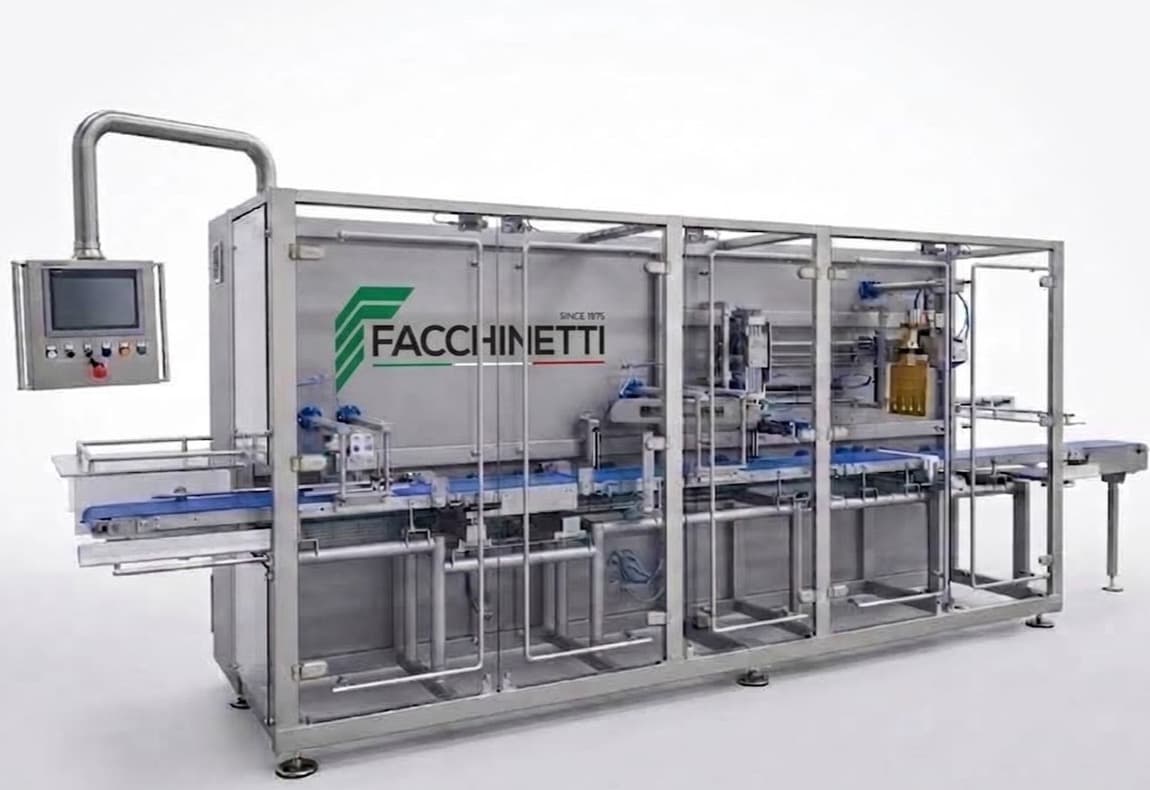
Modern cheese cutting machines represent a masterpiece of engineering and technological innovation. These machines are designed to optimize the cutting process, making it not only faster and more efficient, but also more precise and consistent. At the heart of modern cheese cutting machines is an advanced control system that regulates every aspect of the cutting process. This includes the speed of the cut, the pressure exerted on the cheese, and even the angle of the blades to ensure the perfect cut for each type of cheese. A key feature is the use of scanning technologies, such as 3D scanning, which allow machines to analyze the shape and size of the cheese before cutting. This ensures that each slice is uniform, minimizing waste and maximizing product use. Modern machines are also equipped with sensors that detect the texture and hardness of the cheese, automatically adjusting the force of the cut. This not only improves the quality of the cut, but also protects the machine from damage caused by cutting particularly hard cheeses. Robotics play a key role in modern cheese cutting machines. Robotic arms are used to handle the cheese, positioning it correctly for cutting and moving it through the production line. This further increases efficiency, allowing uninterrupted production and reducing the need for manual intervention. In terms of sustainability, modern cheese cutting machines are designed to be energy efficient. They use motors and systems that reduce energy consumption, helping to reduce the dairy industry's carbon footprint. Facchinetti Tech, an industry leader, is an excellent example of how these technologies are put into practice. Their range of cheese cutting machines combines engineering precision with cutting-edge technological innovations, offering solutions that meet the needs of various cheese producers. Their leadership in the field is evidenced by the quality and efficiency of their machines, which have been widely adopted throughout the industry. In conclusion, modern cheese cutting machines are an outstanding example of how technological innovation can transform an industry. With a combination of advanced robotics, precise control, and sustainability, these machines are redefining the future of cheese production.
Benefits of Using Advanced Cheese Cutting Machines
The use of advanced cheese cutting machines has brought a number of significant benefits to the dairy industry. These benefits go far beyond simple automation of the production process; they are an overall improvement in quality, efficiency, and sustainability. 1. Increased Efficiency: Advanced cheese cutting machines can process large quantities of product in much less time than manual cutting. This means a significant increase in productivity, which is critical for companies operating in a competitive market. 2. Precision and Quality of Cut: Modern cheese cutting machines offer exceptional cutting precision. This not only ensures uniformity in slice size and shape, but also helps improve the visual appearance and quality of the finished product, which are key aspects in meeting consumer expectations. 3. Waste Reduction: More precise cutting also means less waste. The ability of modern cheese cutting machines to efficiently use product significantly reduces the amount of waste, leading to a more sustainable production process and higher profitability. 4. Safety and Ergonomics at Work: Automation reduces the need for manual cheese cutting, which can be both strenuous and risky. This improves working conditions for workers and reduces the risk of workplace injuries. 5. Adaptability and Customization: Advanced cheese cutting machines can be configured to suit different types of cheese and specific cutting requirements. This enables dairy companies to produce a wider range of products and meet the demands of niche markets. 6. Environmental Sustainability: With lower energy consumption and better resource management, advanced cheese cutting machines contribute to a more sustainable industry. This is increasingly important in an era where environmental awareness is on the rise. In summary, the introduction of advanced cheese cutting machines is a significant step toward more efficient, safe and sustainable production in the dairy industry. Companies that adopt these technologies not only improve their productivity, but also position themselves as market leaders in quality and innovation.
Shaping the Future of the Dairy Industry with Advanced Technology
In conclusion, the article highlights how technological innovations are radically transforming the cheese industry. From the artisanal methods of the past to the precision and efficiency of modern cheese-cutting machines, we have seen how modern cheese-cutting machines improve productivity, reduce waste, and increase workplace safety.
In addition, the customization and adaptability of modern cheese cutting machines enable companies to respond flexibly to market needs, with environmental sustainability becoming an increasingly important goal.
Ultimately, modern cheese-cutting machines not only optimize the dairy industry's present, but are also actively shaping its future, pointing a way toward increasingly efficient, safe and environmentally friendly production.
Do you want to know more?
CONTACT US!